ANALYSIS: How Voters’ Choices Could Shape Osun State’s Governorship Race Beyond the Ballot
By: Peter Emmanuel
For political parties contesting the 2026 Osun State governorship election, the battle is about winning control of the Government House in Osogbo. But for millions of voters who will decide the outcome, the election is a judgment on governance, economic realities, and the direction they want the state to take over the next four years.
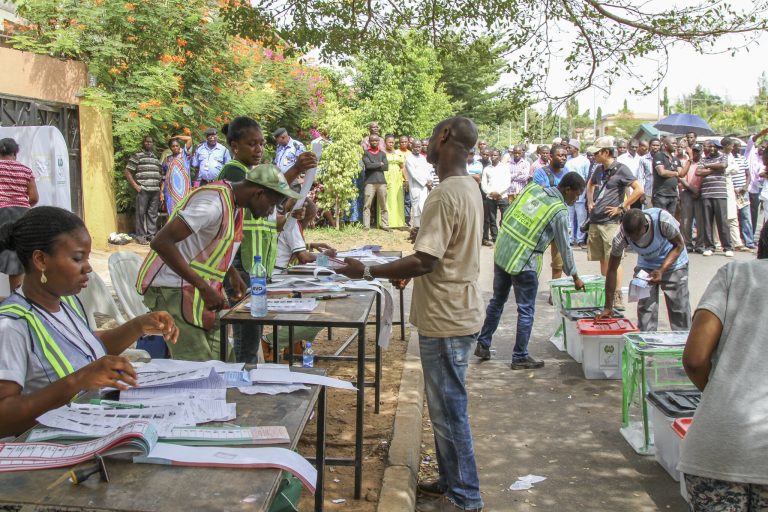
On August 15, 2026, registered voters across Osun’s 30 local government areas and the area office of Modakeke will elect the next governor of the State of the Living Spring.
The contest has attracted attention beyond Osun because of the state’s political importance in the Southwest and its history of competitive elections. While national political actors are already assessing what the outcome could mean ahead of the 2027 general elections, voters will largely approach the election through issues closer to home, workers’ welfare, infrastructure, economic opportunities, education, healthcare, and the performance of the government they have experienced.
The election will test whether Governor Ademola Adeleke has built enough public support to secure a second term, whether the All Progressives Congress (APC) can return to power after losing the state in 2022, and whether emerging political platforms can break the dominance of the two major parties.
However, beyond the campaigns, endorsements, and political calculations, the final decision will belong to Osun voters.
Why Osun’s Governorship Election Holds Separately
Osun is one of Nigeria’s few states that conducts its governorship election outside the regular general election cycle.
The reason for the separate timetable dates back to the disputed 2007 governorship election, which produced a prolonged legal battle.
Following court proceedings, the earlier result was overturned, and Rauf Aregbesola was declared the rightful winner. He was eventually sworn in as governor in November 2010.
The delay affected the state’s electoral calendar because a governor’s tenure begins from the date of inauguration rather than the original election date.
Since then, Osun has maintained an off-cycle election schedule, making every governorship contest in the state a major political event watched closely across Nigeria.
The arrangement also means that Osun elections often provide political parties with an opportunity to measure public sentiment before national elections.
A Contest Shaped by New Political Alignments
The 2026 election is taking place amid significant political changes.
For many years, Osun politics was largely defined by the rivalry between the APC and the Peoples Democratic Party (PDP). However, recent developments have altered the structure of the contest.
Governor Ademola Adeleke, who won the 2022 election under the PDP platform, is now contesting under the Accord Party after disagreements within the PDP structure in the state.
The APC, which governed Osun before losing power in 2022, is attempting to return with Munirudeen Bola Oyebamiji, popularly known as AMBO.
Meanwhile, the African Democratic Congress (ADC) is seeking to provide an alternative through Dr Najeem Salaam, a former Speaker of the Osun State House of Assembly.
These developments have created a more open contest where voter decisions may not be shaped only by traditional party loyalty but also by perceptions of performance, credibility, and alternative choices.
Ademola Adeleke: The Incumbency Test
Governor Ademola Adeleke enters the election seeking another mandate from voters who elected him in 2022.
As an incumbent, Adeleke has the advantage of campaigning on government achievements and presenting his first term as evidence of his capacity to continue leading the state.
His administration has placed emphasis on workers’ welfare, infrastructure development, social programmes, and improved engagement with communities.
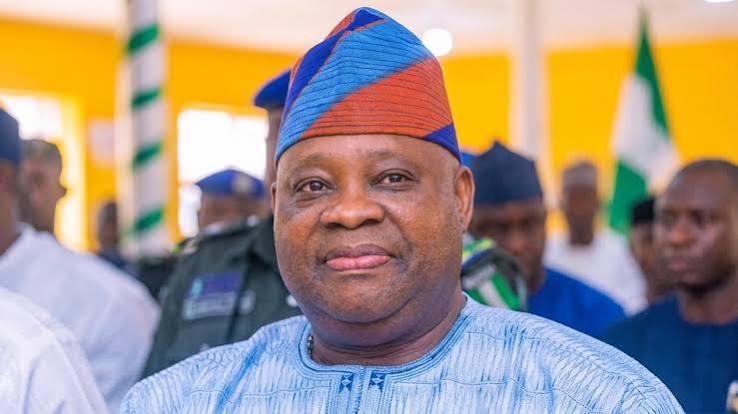
Supporters of the governor argue that his government has restored confidence among workers through improved salary administration and has delivered projects across different parts of the state.
They also point to his administration’s approach of using local participation in development projects as a way of ensuring that government spending benefits residents directly.
However, opposition parties are expected to question whether the administration’s achievements are sufficient to address deeper economic challenges facing the state.
Critics argue that beyond visible projects and welfare interventions, Osun requires stronger industrial policies, private-sector growth, and sustainable revenue strategies.
For Adeleke, the major challenge is convincing voters that his first term has produced enough results to justify another four years.
Oyebamiji and APC’s Bid for Recovery
For the APC, the 2026 election is an opportunity to regain control of a state it lost in 2022.
The party’s candidate, Munirudeen Bola Oyebamiji, brings experience in public administration and finance.
Oyebamiji, a former Osun State Commissioner for Finance and the Managing Director of the National Inland Waterways Authority (NIWA), is being presented by the APC as a candidate with the technical background needed to improve economic management.
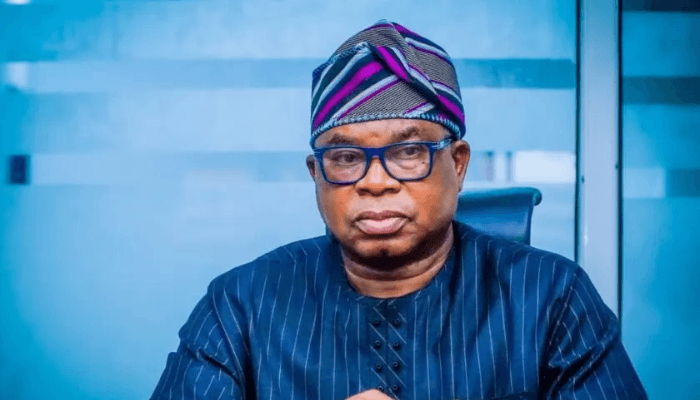
The party is expected to focus its campaign on issues such as financial discipline, investment attraction, job creation, and institutional reforms.
The APC’s argument is that Osun needs stronger economic planning and experienced financial management to overcome its challenges.
However, the party must also convince voters that its return would represent a better alternative and address concerns surrounding its previous administration.
Najeem Salaam and the Third-Force Question
Dr Najeem Salaam’s candidacy under the ADC introduces another dimension into the election.
As a former Speaker of the Osun State House of Assembly, Salaam brings political experience and familiarity with the state’s governance structure.
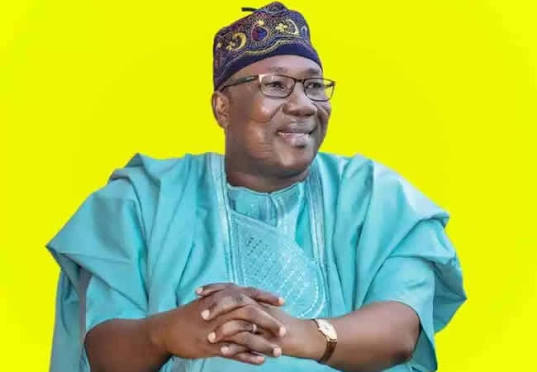
His campaign represents an attempt to attract voters who are dissatisfied with the dominance of APC and PDP.
The challenge before ADC is whether it can transform public interest into electoral support, particularly in communities where the major parties have stronger grassroots structures.
The party’s performance will provide insight into whether voters are becoming more willing to support alternatives beyond the established political platforms.
Workers’ Welfare and Economic Pressures Shaping Voters’ Choices
Civil servants and pensioners remain among the most influential voter groups in Osun because of the importance of the public sector in the state’s economy.
The issue of workers’ welfare has historically shaped elections in the state, particularly because previous administrations faced challenges involving salaries, pensions, and financial obligations.
For many workers and retirees, government performance is judged by practical experiences: whether salaries are paid regularly, whether pension commitments are addressed, and whether policies improve their economic situation.
The Adeleke administration has made workers’ welfare one of its major talking points, while opposition parties argue that government must do more than maintain salary payments.
They insist that Osun needs a stronger economic foundation that creates jobs and reduces dependence on government employment.
How workers assess these competing arguments could influence voting patterns.
Infrastructure and the Question of Development
Infrastructure will remain one of the most visible measures of government performance.
Roads, public facilities, urban development, and community projects often shape how citizens assess whether an administration has delivered.
The Adeleke administration has promoted direct labour projects, arguing that the approach reduces costs and allows local businesses and workers to participate in development.
Opponents have questioned whether the model can deliver large-scale infrastructure and meet long-term development needs.
For voters, the issue is not only about the number of projects completed but whether those projects address their everyday challenges.
Economic Opportunities and Cost of Living
Beyond government projects, many voters are concerned about economic survival.
Traders, artisans, small business owners, and young people are looking for policies that improve their ability to earn a living.
Issues such as access to credit, taxation, transportation costs, business support, and employment opportunities are expected to influence decisions.
For young voters especially, the election is likely to be assessed through the question of opportunities available after school and the ability of government to support innovation and entrepreneurship.
Young Voters and Students
The outcome of the election will not only depend on campaign strength but on how different groups of voters respond to the candidates.
Young people represent a significant part of Osun’s electorate.
With several higher institutions located across the state, students and young graduates are expected to be an important voting bloc.
Their concerns include education quality, employment, digital skills, entrepreneurship, transportation, and the cost of living.
Unlike previous generations where party loyalty often played a stronger role, many young voters are increasingly focused on performance and practical solutions.
Candidates who can convince young people that they understand their challenges may gain significant support.
Women, Traders and Small Business Owners
Women are central to Osun’s economic activities, particularly in markets, agriculture, and small businesses.
Many women voters will assess candidates based on issues affecting their daily lives, including healthcare access, business support, security, and family welfare.
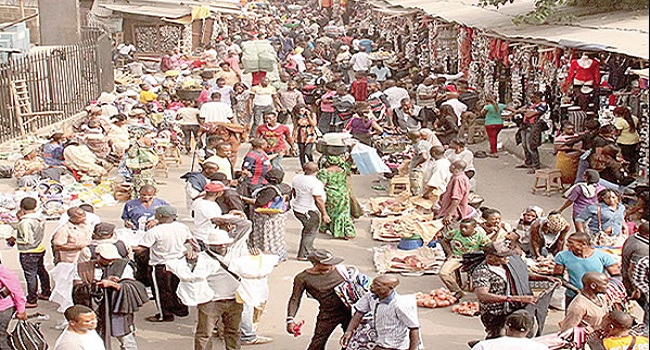
For traders and artisans, government policies that affect the cost of doing business will be important.
Their voting decisions could be influenced by whether they believe a candidate can create a more supportive environment for small businesses.
Farmers and Rural Communities
Rural voters remain an important part of Osun’s electorate.
For farmers, concerns include access to agricultural support, roads linking communities to markets, storage facilities, and government assistance.
Beyond agriculture, rural residents also consider access to healthcare, electricity, education, and basic infrastructure.
Candidates who can demonstrate understanding of rural challenges may gain support from these communities.
Traditional Institutions and Community Influence
Traditional institutions remain influential in Osun’s social structure.
Although monarchs do not participate in partisan politics, they often play important roles in community conversations and public opinion.
Issues involving chieftaincy matters, community development, and government relations with traditional institutions have previously generated public discussions.
Political actors are expected to continue engaging traditional leaders as they seek support across communities.
Illegal Mining and Natural Resource Management
Osun’s mineral resources, particularly gold deposits in parts of Ijesaland, remain an important economic issue.
Illegal mining activities have raised concerns over environmental damage, pollution, and loss of revenue.
Communities affected by mining activities are demanding stronger regulation and greater benefits from resources extracted from their areas.
How candidates address environmental protection and resource management could influence voters in affected communities.
Electoral Technology and Public Confidence
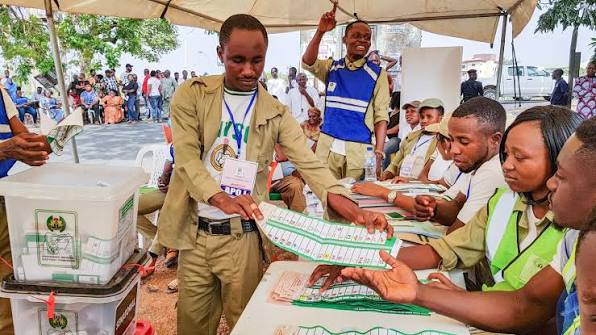
The conduct of the election will also determine public confidence in the process.
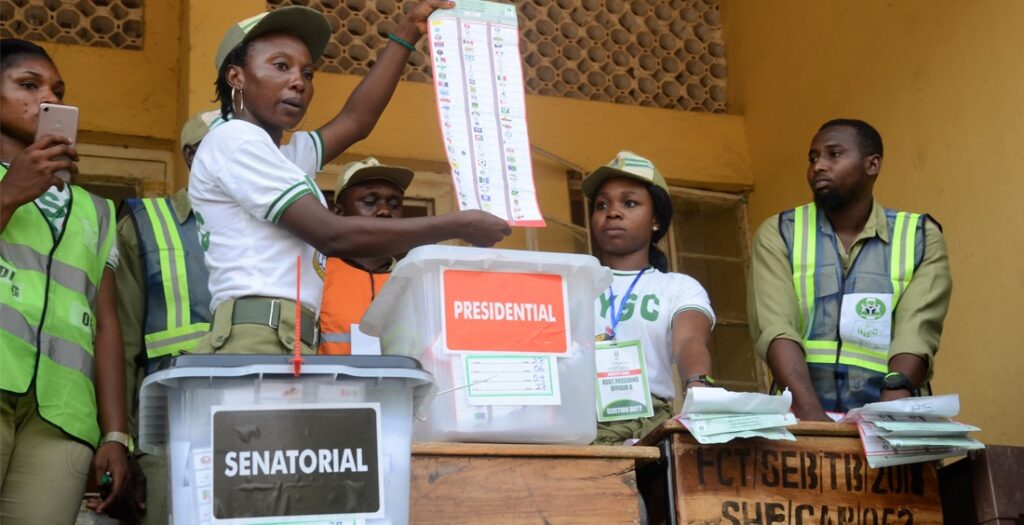
The Independent National Electoral Commission (INEC) is expected to deploy the Bimodal Voter Accreditation System (BVAS) and other electoral technologies during the poll.
The transparency of result management, security arrangements, and efforts to prevent vote buying will be closely monitored by political parties, observers, and citizens.
A credible election will depend not only on technology but also on the conduct of stakeholders involved in the process.
Why Osun Matters Ahead of 2027
Although the election is about choosing a governor for Osun, political actors across Nigeria are watching because of the state’s strategic importance in the Southwest.
A victory for the APC could strengthen its influence in the region, while a win for Adeleke or another opposition force could demonstrate continued competitiveness.
However, beyond party calculations, the election will reveal what issues matter most to voters and how citizens evaluate leadership performance.
Beyond Ballot
The 2026 Osun governorship election will ultimately be decided by voters whose experiences and expectations will shape their choices.
Candidates may control campaign messages, but citizens will determine whether those messages match their realities.
For some voters, the election may be about rewarding performance and continuity. For others, it may be an opportunity to demand a different approach to governance.
Beyond the ballot, Osun voters will not only choose a governor; they will also define the issues that matter most in the state’s political future.
About The Author