ANALYSIS: Threats, Intimidation by APC Officials Raise Concerns Over Opposition, Citizens’ Safety Ahead of 2027 Elections
By Peter Emmanuel |
With political activities for the 2027 general elections gathering pace, a series of controversial statements by officials and political leaders of the All Progressives Congress (APC) has raised concerns about political intimidation, voters’ freedom and the safety of opposition supporters.
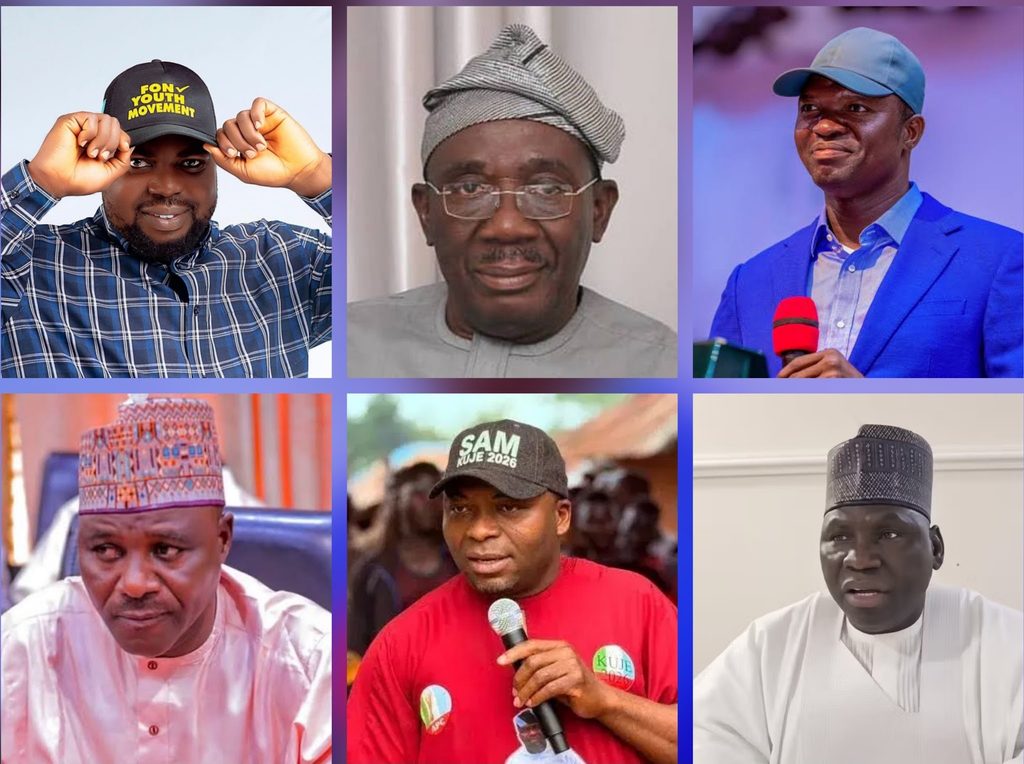
The statements were made in different parts of the country between August and September 2026. They include a senator’s comment about “killing” the Accord Party, a council chairman telling residents to support the APC or leave, a governor warning opposition politicians that they would see a “real threat,” and another council chairman declaring that opponents could become “persona non grata.”
In Borno State, a commissioner spoke of flo gging people who refused to support the APC and breaking the fingers of those who opposed the party. In Yobe, the APC chairman told women whose husbands stopped them from voting for the party to divorce them and offered to pay their dowries.
Although some of the officials later apologised, denied threatening anyone or said their words were misunderstood, the incidents have continued to fuel concerns about the political environment ahead of 2027.
Rights organisations, civil society groups, opposition parties and political actors have called for investigations and greater protection of citizens’ political rights.
Francis Fadahunsi and the ‘kill Accord’ Statement
The first major incident occurred in Osun State in August, days before the August 15 governorship election.
Senator Francis Fadahunsi, who represents Osun East Senatorial District, came under fire after a video circulated showing him addressing supporters in Yoruba at a gathering in Ilesa.

The video was widely interpreted as a call for APC supporters to attack members of the Accord Party. Reports quoted Fadahunsi as saying that whenever they saw Accord members, they should “kill” them and should not allow them to vote even if they had voter cards.
The remarks caused concern because they came at a time when tension was already high in Osun ahead of the election.
The Accord Party subsequently wrote to the European Union, asking for intervention over what it described as political attacks, intimidation and threats against its members. The party said Fadahunsi’s statement had increased fear among its supporters.
In a report by TheGuardian, a civil group Gani Fawehinmi Memorial Organisation (GAFAMORG) and the National Conscience Party (NCP), called for a thorough investigation into allegations that Senator Francis Fadahunsi. It also called for Fadahunsi’s immediate suspension and arrest and warned political parties against statements capable of promoting hatred, intimidation or violence.
On August 12, Senator Francis Fadahunsi was invited to the Osun State Police Command headquarters in Osogbo for questioning. The invitation followed a viral video in which Fadahunsi was alleged to have directed his supporters to “kill” members of the Accord Party, whose governorship candidate is incumbent Governor Ademola Adeleke.
Fadahunsi maintained that the video had been edited to give his comments a different meaning. He said he meant that APC supporters should “kill Accord with votes,” rather than physically attack its members.
However, the Attorney-General of Osun State on Wednesday 12 August, filed a suit at the Osun State High Court in Osogbo, seeking an order compelling the Inspector-General of Police and the Osun State Commissioner of Police to investigate an alleged death threat issued by Senator Francis Fadahunsi against members of the Accord Party.
The suit, filed on Wednesday, listed the IGP and the Osun State Commissioner of Police as respondents, while Fadahunsi, who represents Osun East Senatorial District, was named as a “person affected/interested party.”
Senator Adenigba Fadahunsi, on August 19, apologised for the tension caused by remarks he made during a campaign visit to the palace of the Paramount Ruler of Ijesaland, Owa Clement Adesuyi Haastrup, Ajimoko III. Fadahunsi, speaking after the conclusion of the Osun State governorship election, said the visit was primarily to seek justice and express his pain over the killing of some members of his political party.
The senator said he was deeply affected by the deaths and regretted that his emotional appeal was later portrayed by critics as a call for violence. Fadahunsi maintained that he never called for chaos or violence, describing the criticism as unfair and insisting that his remarks were made at a difficult moment of grief and frustration.
2. Samuel Shekwolo Tells Kuje Residents to Support APC or Leave
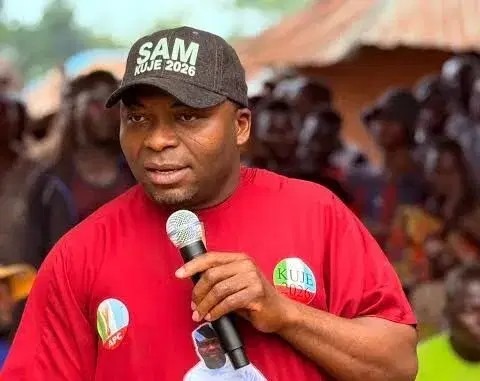
The controversy moved to the Federal Capital Territory later in August. Samuel Danjuma Shekwolo, chairman of Kuje Area Council, came under criticism after a video showing him telling residents to support the All Progressives Congress (APC) or leave the area council went viral on social media.
The video, which first circulated online on Tuesday, August 25, 2026, showed Shekwolo telling residents that they could not enjoy developmental projects from the Bola Tinubu-led government and FCT Minister Nyesom Wike while voting for opposition parties. He argued that residents should support the APC if they wanted to benefit from the government’s programmes.
The remarks generated concern because Kuje is home to residents with different political affiliations, while an elected council chairman is expected to serve all residents regardless of their political choices. The statement also raised questions about whether political affiliation was being presented as a condition for enjoying government services and remaining in the area.
In a report by the International Centre for Investigative Reporting (ICIR), Amnesty International condemned Shekwolo’s remarks and described his call for residents who would not support or vote for the APC to leave Kuje as a threat to their fundamental rights. The organisation said the statement attacked residents’ freedom of association, liberty and right to make political choices.
“Authoritatively saying that those who will not vote APC must leave Kuje Area Council is a call to violence and direct attack on freedom of association and liberty of persons,” Amnesty International said.
Also, the Resource Centre for Human Rights and Civic Education (CHRICED) also condemned the statement, saying Shekwolo, as an elected official, was constitutionally obligated to serve every resident of Kuje regardless of political affiliation. The organisation cited Sections 40, 41 and 42 of the 1999 Constitution, which guarantee freedom of association, movement and protection from discrimination based on political opinion. It also referenced Section 97 of the Electoral Act 2026, which it said criminalises threats, intimidation or the use of force to compel political support.
CHRICED described the incident as part of what it called a growing pattern of inflammatory statements by political leaders, citing remarks attributed to Edo State Governor Okpebholo, the Benue State governor, Wike and Senator Francis Fadahunsi in Osun State. The group said the failure of APC leadership to respond to such remarks could create the impression that political intimidation is being tolerated.
On August 26, however, Shekwolo withdrew his earlier statement asking residents to support the APC or leave the council. He said the comment was made during a meeting with APC youths and supporters and was not intended to deny anyone their rights because of their political affiliation.
3. Governor Francis Nwifuru warns Opposition of ‘Real Threat’
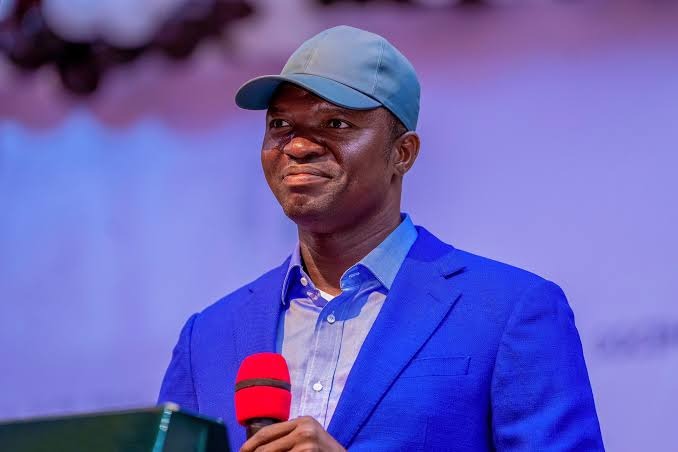
The most serious sequence of political statements emerged from Ebonyi State in September, after Governor Francis Nwifuru warned opposition politicians that they would “see real threat at the right time.”
Nwifuru made the statement on September 1 while responding to allegations of harassment and intimidation by APC supporters in the state. He spoke during the swearing-in of newly elected local government chairmen and also warned that council bosses who failed to deliver their areas to the All Progressives Congress (APC) in the 2027 elections would be removed from office.
In a video of the event that circulated online, Nwifuru told the council chairmen that their political performance would determine whether they remained in office and directed them to confront opposition elements in their respective local government areas. He also told them to “deal with that person mercilessly” if anyone entered their areas to undermine the APC, while making clear that he wanted the threat published prominently.
“As a local government chairman, if you like, go and sleep, so that another person will take over your house. You will not stop us from winning, but when we win, you know we will win, we will remove you. It’s as simple as that,” Nwifuru said. He added that the chairmen could be removed through their councillors if they failed to secure electoral victories for the APC.
The remarks drew condemnation from opposition groups and civil society organisations, which raised concerns about the governor linking the tenure of elected council officials to their ability to deliver electoral victories for a political party. The statements also fuelled debate over the extent to which political office holders can use their positions to influence electoral competition ahead of the 2027 elections.
In a report by The Sun, the Ebonyi Civil Society Coalition Group accused the APC government in the state of poor performance and linked what it described as growing political tension to the administration’s record. Charles Otu, spokesperson for the coalition, said on Arise News that civil society organisations had reviewed the government’s performance and considered its scorecard “abysmal”, arguing that recent statements by APC members reflected political desperation.
The Peoples Democratic Party (PDP) in Ebonyi State also called on Nwifuru to retract his statements against opposition figures, tender an unreserved apology or resign from office. The party described the governor’s utterances as inciting and capable of fuelling political violence ahead of the 2027 elections.
On Tuesday, September 8, the opposition members and other residents of Ebonyi State protested against what they described as threats by Nwifuru against opposition parties and their supporters. The protesters said they were not necessarily members of opposition parties but were concerned about what they viewed as the governor’s use of his position to intimidate political opponents, adding a public protest dimension to the growing concerns over political freedom in the state.
4. Inspired by Gov Nwifuru, Council Chairman Paul Ituma Warns Opposition to Stay Off

Barely two days after Ebonyi State Governor Francis Nwifuru warned opposition politicians that they would “see real threat at the right time,” the newly sworn-in chairman of Ohaukwu Local Government Area, Eze Paul Ituma, issued a similar warning to opposition parties and their supporters.
Premium Times had earlier reported that Nwifuru, during the swearing-in of 13 newly elected local government chairmen and their deputies, directed them to work for the All Progressives Congress (APC) and warned that any chairman who failed to deliver his council to the party in 2027 would be removed. The governor also told the chairmen to deal “mercilessly” with anyone who attempted to undermine the APC.
Ituma’s warning followed shortly after the governor’s remarks. In a video circulated on social media, the Ohaukwu chairman told opposition politicians to stay away from the local government unless they were prepared to support or submit to the APC and Nwifuru. He said anyone opposed to the governor had become his enemy.
“Anybody who is not thinking in that direction should not come around Ohaukwu Local Government because Ohaukwu is cordoned off, and anybody who dares to do that will be declared persona non grata,” Ituma said, further raising concerns about the space available for opposition parties to campaign and organise in the area.
Reacting to Nwifuru’s remarks, Charles Otu, spokesperson for the Ebonyi Civil Society Coalition Group, described the governor’s warning as evidence of political desperation. Otu while speaking on Arise Television, questioned why an administration confident in its performance would be worried about the outcome of the ballot. “Why are they afraid of the ballot?” he asked.
Otu said the coalition’s assessment of governance in Ebonyi over more than three years found the government’s performance “abysmal,” which he linked to the desperation he said was evident in the governor’s comments. With Ituma subsequently issuing a similar warning to opposition politicians in Ohaukwu, the developments have raised fresh concerns about political competition, opposition activities and the conduct of the 2027 election campaign in Ebonyi State.
5. Buba Says Anti-APC Voters Will Be Flogged
The issue resurfaced in Borno State at the end of August when Commissioner for Youth and Sports Development, Sainna Buba, threatened to flog people who refused to support the All Progressives Congress (APC) in the 2027 general election.
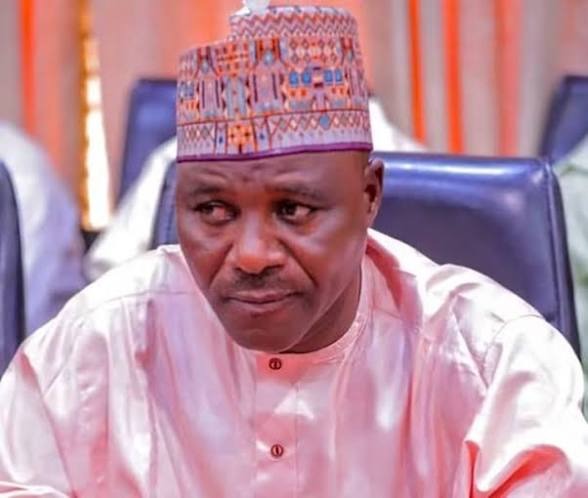
Buba made the remarks on August 29, 2026, during the inauguration of a campaign event organised by the Tinubu City Boy Movement, a political support group campaigning for Bola Tinubu’s re-election. He said APC supporters would enjoy the benefits of the government, while those who refused to support the party would be punished.
“If they point fingers at us, we will point fingers at them; if they point fingers at us with malicious intent, then we will hold that finger and break it,” Buba said. “This government is our government; follow us and enjoy honey. As for those who refuse to follow us, they will be flogged.” He also said campaign materials would be brought to the state for residents to benefit from.
The remarks drew condemnation from Amnesty International, which called on security agencies to investigate and take action against the commissioner. The organisation described the comments as a direct threat and said the commissioner should face justice over what it called subtle incitement. It also questioned why security agencies had not acted despite the remarks being publicly available.
However, during an engagement with journalists in Maiduguri on September 1, Buba denied threatening physical harm against opposition members. He said his comments were figurative and were directed at APC members in the North-East whom he accused of engaging in anti-party activities, rather than supporters of opposition parties.
The episode nevertheless added to concerns over the language used by political officials as parties prepare for the 2027 elections. Buba’s subsequent clarification came after his comments had drawn public condemnation and renewed debate over political rhetoric and the need for parties and their officials to avoid statements that could heighten tension during the election period.
6. Unlike Others Threats of Violence, Gadaka Takes APC Politics Into Family Private Life
The latest incident came from Yobe State on September 4, 2026, when the state chairman of the All Progressives Congress (APC), Muhammad Gadaka, told women to leave their husbands if they were prevented from voting for the party in the 2027 general election.
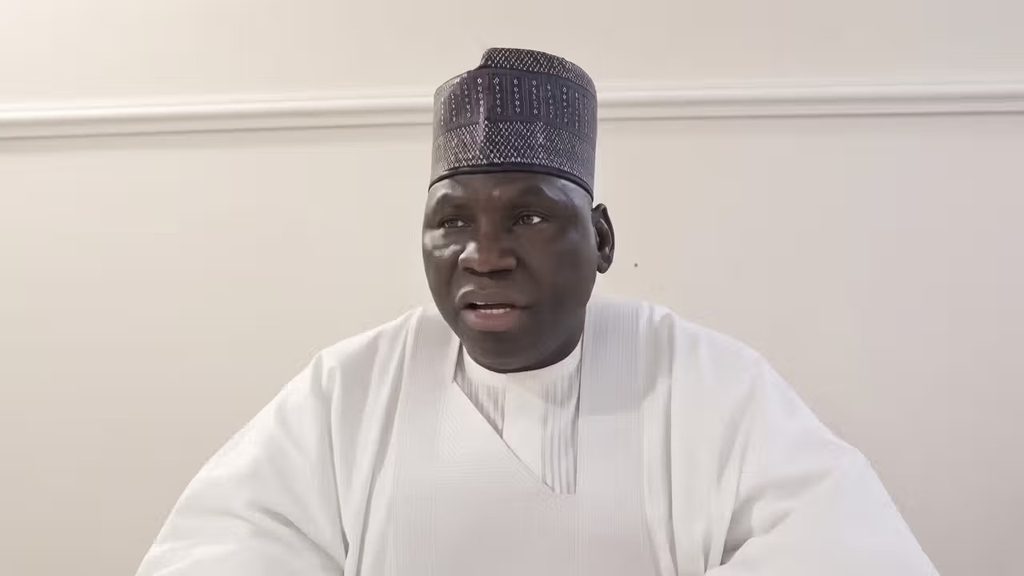
Gadaka made the remark on Thursday, September 4, at a political rally in Nangere Local Government Area of the state. He told supporters that women whose husbands opposed their decision to vote for the APC should consider leaving the marriages.
He went further by offering to pay the bride price of any woman whose husband divorced her over her support for the party. “Tell your sister that if her husband does not agree and divorces her, I will pay her bride price and marry her,” Gadaka said.
Unlike the cases involving Francis Fadahunsi, Sainna Buba and Francis Nwifuru, Gadaka’s statement was not a direct threat of physical violence against opposition supporters. However, it raised a different concern because it brought political loyalty into private family relationships and suggested that voting choices could become a source of marital conflict.
Gadaka later apologised and withdrew the statement. In his explanation, he said the remark had been misunderstood and was made in the context of a traditional joking relationship between the Gamawa and Kare-Kare communities. He said the comment was not intended to encourage women to leave their husbands.
“My statement was misunderstood by the public. As a leader, I want to clarify that I reject that misunderstood statement, and I sincerely apologise to everyone,” Gadaka said. He identified himself as being from Fika Local Government Area and said the remark was made during a programme in Zone B of Nangere Local Government Area.
The episode nevertheless adds another dimension to the series of controversial political statements emerging ahead of the 2027 election. While earlier cases involved warnings of physical punishment or political intimidation, Gadaka’s remark showed how campaign rhetoric can also extend into family relationships, where political differences can carry personal and social consequences.
More Than Isolated Comments?
Taken separately, the six incidents are different. Fadahunsi’s statement was interpreted as a call for violence against members of a rival party, while Shekwolo’s remark involved political exclusion from a community. Nwifuru warned opposition politicians of a “real threat” and pressured local government chairmen to deliver their councils to the APC. Ituma warned opposition politicians to stay away from Ohaukwu. Buba spoke of flogging and breaking fingers, while Gadaka made a remark that could fuel conflict within families.
What connects the incidents is not that they carry the same level of threat, but the use of pressure, fear or punishment in political competition. In each case, the controversy centred on what could happen to people because of their political choices, affiliation or opposition to the ruling party.
The pattern has drawn reactions from different parts of Nigeria’s civil and political space. The NHRC intervened in the Fadahunsi case, while CHRICED and the ADC reacted to the Kuje controversy. The Ebonyi Civil Society Coalition criticised Nwifuru’s remarks, PDP leaders in the state rejected his directive, while the NDC condemned Buba’s comments. Amnesty International has also raised concerns over several of the incidents.
What This Means for 2027
The 2027 election is still months away, but the incidents recorded in Osun, the FCT, Ebonyi, Borno and Yobe show why early monitoring matters. Citizens should be able to support any registered political party, change their political preference and campaign for their choice without threats, intimidation or punishment.
Opposition parties must be able to campaign, candidates must be able to meet voters and voters must be able to make their choices freely. Public officials also need to recognise that their words carry greater weight because of the authority attached to their positions.
The real test ahead of 2027 will therefore not only be whether political parties can win votes, but whether Nigerians can freely give those votes. If threats are ignored, they risk becoming normal campaign language. If institutions respond early and fairly, they can help prevent political rhetoric from turning into political violence.
About The Author