FactCheck Africa Trains Journalists, CSOs to Combat Election Misinformation, AI Threats
By: Peter Emmanuel
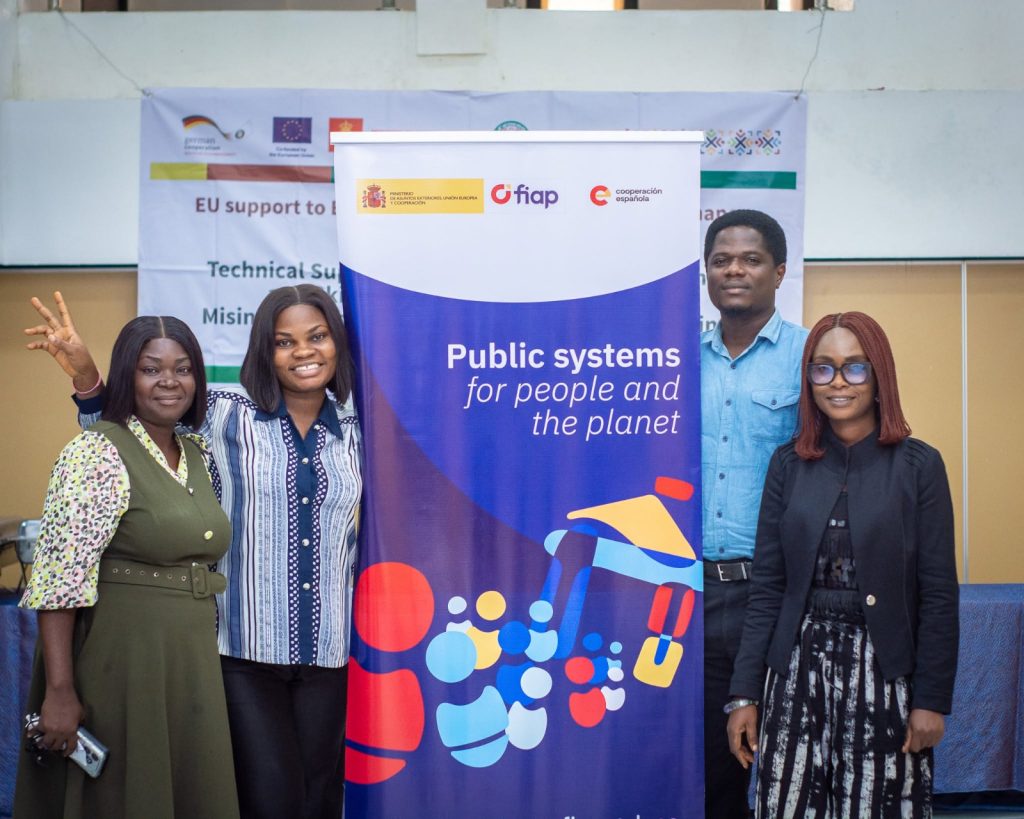
A regional workshop organised by FactCheck Africa in collaboration with the Fundación para la Internacionalización de las Administraciones Públicas (FIAP) has begun in Lagos under the #EPSGProject, bringing together journalists, fact-checkers, civil society organisations (CSOs), and researchers to strengthen capacity to counter misinformation and emerging digital threats.
The workshop brought together 35 participants from Nigeria’s South-West and South-East geopolitical zones and is designed to strengthen the capacity of frontline information actors ahead of key electoral cycles, including the recently concluded Ekiti and Osun governorship elections, as well as preparations toward the 2027 general elections.
It is being convened by the Fundación para la Internacionalización de las Administraciones Públicas (FIAP) in collaboration with FactCheck Africa under the European Union Support to ECOWAS in Peace, Security and Governance (EPSG) Project.
The programme is designed to equip participants with practical tools to respond to misinformation, disinformation, hate speech, coordinated online manipulation, and emerging artificial intelligence-related threats in the information space.
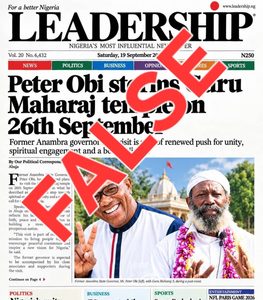
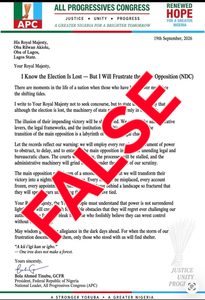
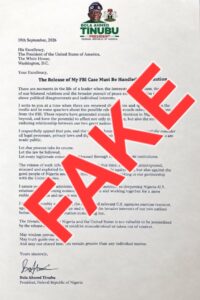
Day one of the workshop examined Nigeria’s information environment as the country approaches another election cycle. Participants discussed emerging disinformation trends, the key actors shaping online narratives, and the impact of information disorder on public trust, particularly among women and young people who are often targeted during elections.
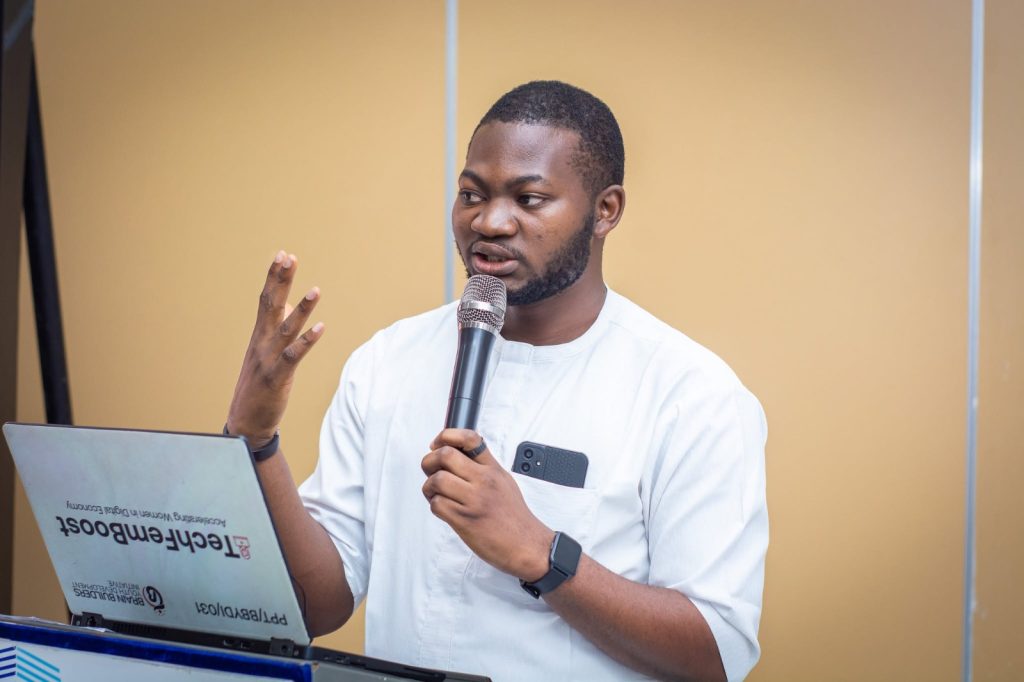
The session was facilitated by AFP News Agency Nigeria Correspondent, Tonye Bakare, who led discussions on the pre-electoral information landscape and the dynamics of information disorder in digital spaces.
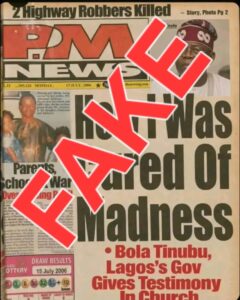
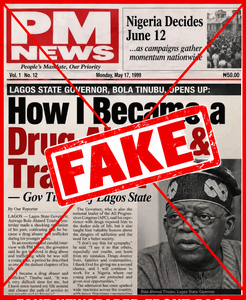
The programme later shifted to practical verification training, where Mustapha Lawal, Researcher and Fact-Checker at FactCheck Africa, guided participants through key verification workflows. These included reverse image search techniques, source authentication, open-source intelligence (OSINT) methods, and the responsible use of artificial intelligence tools in verifying electoral content.
Participants also took part in a hands-on verification lab, where they worked in groups to analyse real-world electoral information case studies. They applied image verification techniques, assessed suspicious claims, authenticated sources, and used OSINT tools to determine the credibility of online information.
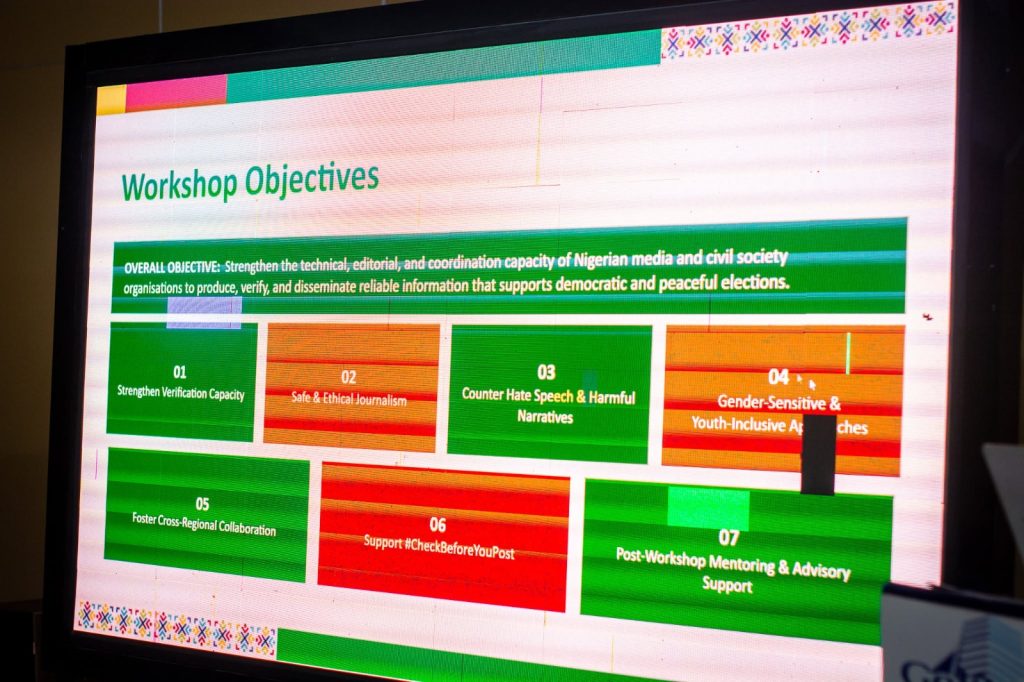
The workshop also emphasised collaboration among journalists, civil society actors, and fact-checkers in promoting credible information and strengthening democratic discourse ahead of elections.
Organisers said the initiative aims to improve public trust in information and encourage evidence-based reporting ahead of future elections.
The three-day workshop will continue with additional sessions focused on advanced verification techniques, media responsibility, and the role of technology in shaping election narratives across Africa.
About The Author