Why Verifying Information Matters More Than Ever as Nigeria Approaches 2027 Elections
By: Peter Emmanuel
As Nigeria approaches the 2027 general elections, the growing influence of digital platforms in shaping public conversations has increased the need for citizens to verify information before sharing or acting on it.
With millions of Nigerians relying on social media platforms, messaging applications, and online sources for news and political information, media practitioners and civil society organisations have raised concerns over the spread of misinformation, disinformation, manipulated content, and misleading narratives that could affect public understanding and decision-making during the election period.
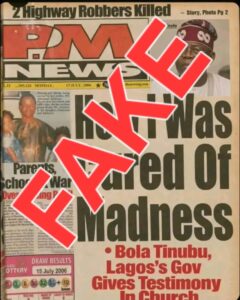
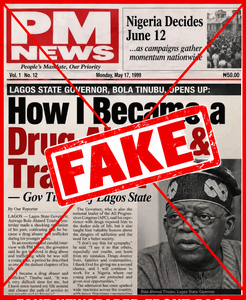
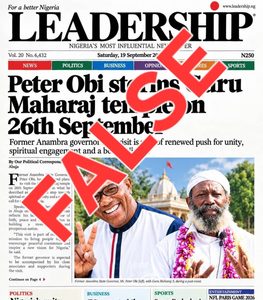
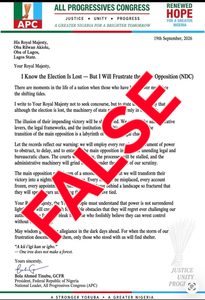
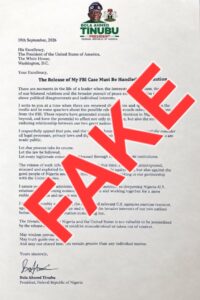
Unlike traditional forms of false information, emerging digital threats now include altered images, manipulated videos, AI-generated content, and deepfakes presented in ways that appear credible. These developments have made it increasingly important for citizens to develop the ability to question, verify, and assess information before accepting it as accurate.
Media literacy goes beyond identifying fake news. It involves understanding how information is created, distributed, and consumed, while helping individuals evaluate sources, recognise misleading content, and make informed decisions about the information they encounter online.
Ahead of the 2027 elections, political discussions are expected to increase across digital platforms, creating opportunities for the spread of unverified claims about candidates, policies, electoral processes, and public institutions. Media practitioners, fact-checking organisations, and civil society groups have continued to stress the importance of evidence-based information and encouraging citizens to rely on credible sources before sharing political content.
One of the key verification practices promoted by media literacy advocates is checking the original source of information. Citizens are encouraged to examine who published a claim, whether credible platforms have independently reported it, and whether available evidence supports the information being circulated.
The growth of artificial intelligence has also introduced new challenges to the information environment. AI-generated images, videos, and audio content can make it harder for users to distinguish between authentic and manipulated materials, increasing the need for digital verification skills and public awareness.
Social media platforms and messaging applications, including WhatsApp, Facebook, and X (formerly Twitter), Thread, among others, have become major channels through which Nigerians consume and share information. While these platforms have expanded access to information and public participation, they have also created opportunities for misinformation and misleading narratives to spread rapidly, particularly during politically sensitive periods.
Media practitioners, fact-checking organisations, and civil society groups have continued to promote verification practices, digital literacy, and responsible online behaviour to help citizens identify and challenge false information.
As Nigeria prepares for another election cycle, strengthening media literacy among citizens, especially young people who are active online, remains critical to protecting information integrity and supporting democratic participation.
Through initiatives such as the #CheckBeforeYouPost campaign, fact-checking organisations and media platforms continue to encourage Nigerians to pause, verify information, and consult credible sources before sharing content. In an increasingly digital election environment, responsible information sharing remains a collective responsibility.
This was produced with support from Fact Check Africa in collaboration with FIAP.
#CheckBeforeYouPost #TruthAtTheBallot #EPSGProject #InformationIntegrity
About The Author