EXPLAINER: What Voters Need to Know Ahead of the 2026 Osun Governorship Election
By: Peter Emmanuel
As Osun State voters will head to the polls on Saturday, August 15, 2026, to elect a governor among candidates contesting for the state’s top political office.
The Independent National Electoral Commission (INEC) has announced that 2,339,233 registered voters are expected to participate in the election across Osun State’s 30 local government areas, 332 registration areas and 3,763 polling units.
According to Dataphyte, the election will involve 14 political parties, while previous electoral trends in the state show a decline in voter participation over the years, making voter turnout a key factor to watch during the exercise.
The election is coming amid intense political activities, with candidates and parties taking their campaigns to different parts of the state while INEC continues preparations for the poll.
Beyond campaign promises and political rallies, voters need to understand the voting process, the role of election technology, issues that may influence their decisions and how to identify credible information ahead of election day.
Understanding the Voting Process
INEC has fixed August 15, 2026, for the Osun State governorship election as part of its schedule for off-cycle elections.
According to Vanguard Nigeria, INEC disclosed that 2,339,233 voters are registered to participate in the election.
The figure represents voters who completed the registration process and are eligible to decide the outcome of the governorship contest.
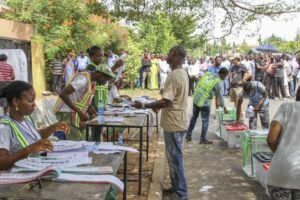
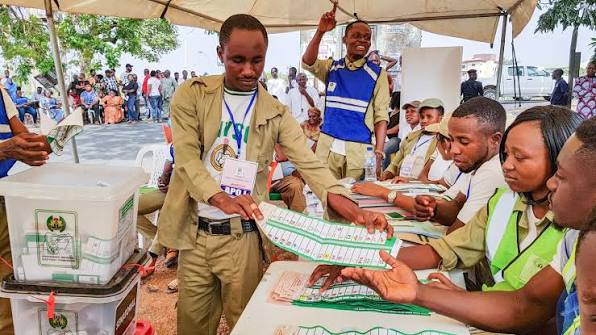
Before voting begins, eligible voters are expected to present their Permanent Voter Cards (PVCs) at their designated polling units for accreditation.
The Bimodal Voter Accreditation System (BVAS) will be used to verify voters through fingerprint or facial authentication before they are allowed to cast their ballots.
After voting, ballots will be counted openly at polling units, with results recorded on official result sheets before moving through the collation process.
Punch Newspapers reported that INEC presented the electronic voter register to political parties ahead of the election as part of preparations to ensure transparency in the process.
INEC Preparation and Election Technology
INEC has continued activities aimed at ensuring readiness for the August 15 poll, including stakeholder meetings, voter education, logistics planning and testing of election equipment.
According to The Nation Newspaper, the electoral commission has continued to engage political parties and other stakeholders as part of preparations for the election.
The commission’s focus on BVAS remains central to the accreditation process, following concerns raised during previous elections over technical challenges and public confidence in election technology.
INEC has also conducted mock accreditation exercises in selected areas to test the performance of the devices and assess the readiness of election officials.
The use of BVAS is expected to support voter verification and reduce cases of impersonation during the election, although the effectiveness of the system will depend on proper deployment and timely response to technical challenges.
Issues That May Shape Voters’ Decisions
While political campaigns remain a major part of the election season, voters are expected to consider issues affecting their daily lives before deciding who to support.
Education, healthcare, infrastructure, agriculture, employment opportunities, security and the cost of living are among issues likely to shape discussions ahead of the poll.
Dataphyte’s analysis of Osun’s electoral history noted changes in voter participation patterns, raising questions about how political parties and stakeholders can encourage more citizens to take part in the democratic process.
Candidates and political parties have continued to present their plans to residents, while voters are expected to assess campaign promises, previous records and their ability to address challenges facing communities.
For many residents, the election provides an opportunity to decide the direction of governance in Osun State for the next four years.
Avoiding Election Misinformation
As election day approaches, misinformation remains one of the challenges that could affect public understanding of the electoral process.
False claims about voting procedures, fake INEC announcements, manipulated videos, old pictures presented as current events and unverified election results often spread during election periods.
Voters are encouraged to confirm election-related information through INEC’s official channels and credible media organisations before sharing such information.
Fact-checking organisations have continued to advise citizens to verify claims before sharing them, especially during elections when false information can affect public confidence.
Platforms such as DNN FactCheck, FactCheck Africa and other recognised fact-checking organisations provide verification services to help citizens separate accurate information from false claims.
What Happens After Voting?
After voting and counting at polling units, results will be recorded and moved through the official collation process.
Political party agents, observers and accredited stakeholders are expected to monitor the process at different stages.
INEC will announce the final result after completing the required procedures and determining the candidate who receives the highest number of valid votes in line with electoral laws.
As Osun prepares for the August 15 governorship election, informed participation, access to credible information and peaceful conduct will remain important factors in determining the credibility of the poll.
About The Author