#EndSARS: Postmortem Confirms Journalist Pelumi Onifade Died From Gunshot Wounds
By Peter Emmanuel |
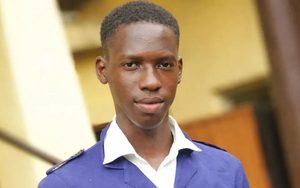
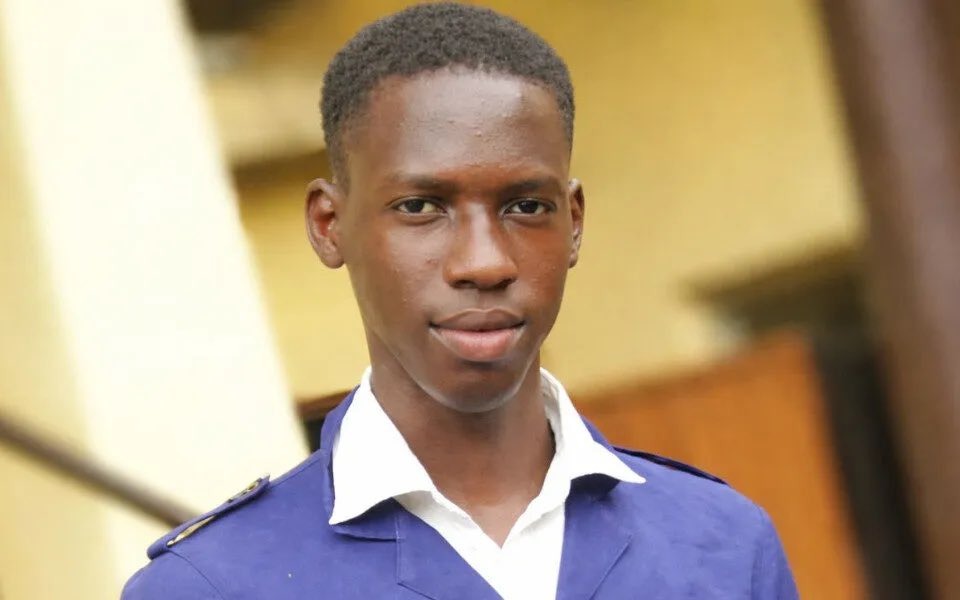
A postmortem examination has confirmed that 20-year-old Pelumi Onifade, a journalist with GboahTV, died from gunshot wounds to the abdomen while covering the #EndSARS protest in Lagos on October 24, 2020.
The finding was contained in a nine-page postmortem report conducted at the Lagos State University Teaching Hospital (LASUTH) morgue on November 4, 2020, and signed by Consultant Pathologist, Professor Sunday Sokunle Soyemi.
The examination was carried out in the presence of Professor John Oladapo Obafunwa, Supervising Consultant, and was authorised by Coroner Mrs Bola Folarin-Williams. The report was, however, not finalised until July 30, 2026.
According to Media Rights Agenda (MRA), the report established that Onifade died from “massive haemoperitoneum” and a “penetrating firearms injury to the abdomen.”
The medical finding came as proceedings continue before the Coroner Court investigating the circumstances surrounding the journalist’s death, with his family and MRA seeking answers over what happened after he was reportedly shot and arrested while covering the protest.
The development also provides a clearer medical account of the injuries sustained by Onifade, whose body was recovered after his disappearance and later subjected to DNA identification and postmortem examination.
Postmortem Reveals Fatal Gunshot Injuries
Media Rights Agenda (MRA) said the postmortem report found that a firearm projectile entered Onifade’s body through the lower back and caused extensive damage to his abdominal organs and tissues.
The report recorded the cause of death as “massive haemoperitoneum” and “penetrating firearms injury to the abdomen.” Massive haemoperitoneum refers to a large accumulation of blood within the abdominal cavity, usually resulting from severe internal injury.
The examination also found bony fragments embedded in the soft tissues of the abdomen and a fracture of the fifth lumbar vertebra. The injuries, according to the report, were consistent with a firearm injury and the ricochet of a missile.
The pathologist documented the trajectory of the projectile as posterior-to-anterior, right-to-left and infero-superior. The findings indicated that the projectile travelled through the body and caused extensive internal damage before death.
The report further stated that there was no significant natural disease that could account for Onifade’s death. External examination recorded that his face was clean shaven, his ears were not pierced, his natural teeth were in good condition and his fingernails were short and clean.
There were also no significant scars, tattoos or other identifying marks recorded on the body. The medical examination therefore provided a detailed account of the physical injuries that resulted in the journalist’s death.
DNA Evidence Identifies Onifade’s Body
The body examined at LASUTH had been tagged No. 1385 before DNA analysis was conducted to establish its identity. According to the postmortem report, the Lagos State DNA and Forensic Centre subsequently identified the body as that of Pelumi Onifade.
The DNA identification became an important part of the proceedings because the journalist’s body had initially been held without his identity being conclusively established.
In a report by DNN Radio, the DNA evidence identifying Onifade was admitted by the Coroner Court on June 23, 2026, as proceedings continued into the circumstances surrounding his death.
The identification allowed the postmortem findings to be formally connected to Onifade and his family’s efforts to establish what happened to him after he was reportedly shot and taken into custody during the #EndSARS protest.
DNN Radio reported that the court had also been waiting for the formal LASUTH autopsy report before proceeding further with parts of the inquiry. At a July 7, 2026 hearing, the court said it had contacted the LASUTH Department of Pathology and Forensic Medicine over the outstanding report.
LASUTH informed the court that the report was substantially complete but was awaiting the formal endorsement of the medical examiner, who was away at the time. The report has now been finalised, allowing the medical findings to form part of the continuing inquest.
Court Investigates Circumstances Surrounding Death
The coroner’s proceedings followed a Federal High Court judgment delivered on July 19, 2024, by Justice Ayokunle Olayinka Faji after MRA instituted a suit against the Lagos State Government and the Nigeria Police Force.
The judgment directed the Attorney-General of Lagos State to ensure an investigation and coroner’s inquest into Onifade’s death, determine the cause of his death and identify and prosecute those responsible.
The coroner’s inquiry has since focused not only on the medical cause of death but also on the events surrounding the shooting, arrest, recovery of the body and subsequent handling of the matter.
At the July 7 hearing, counsel representing MRA and Onifade’s parents, Mr Alimi Adamu, urged the court to begin receiving oral evidence while the LASUTH report was being formally completed. The court subsequently directed material witnesses with direct knowledge of the incident to appear.
Among those considered important to the inquiry are police officers linked to the recovery of Onifade’s body and officers involved in the investigation. The coroner specifically sought information on the officers involved, who led the team, who discharged the firearm and the circumstances surrounding the shooting.
The court also identified a colleague who was with Onifade shortly before the shooting as a material witness. Although the colleague had relocated outside Lagos, arrangements could be made for the witness to testify virtually.
Records from Ikorodu General Hospital have also become part of the inquiry. Counsel pointed to the records as evidence that the deceased sustained a gunshot wound before the body was transported from the hospital, while the Office of the Attorney-General of Lagos State said the records indicated that Onifade was received as a “Brought-In-Dead” case.
Onifade Was Covering #EndSARS When He Was Shot, Arrested
Pelumi Onifade was covering the #EndSARS protest in Lagos on October 24, 2020, when he was reportedly shot and arrested by security agents.
The journalist was 20 years old at the time and worked with GboahTV. His case became part of the wider calls for accountability over the treatment of protesters, journalists and other people caught up in the demonstrations across Nigeria in October 2020.
His disappearance after the reported shooting led to efforts to trace his whereabouts and establish what had happened to him. His body was later recovered and kept at a mortuary before it was subjected to forensic identification and postmortem examination.
The subsequent DNA analysis established that body No. 1385 was Onifade’s, while the postmortem examination provided the medical evidence on the injuries that caused his death.
The coroner is now expected to consider evidence from witnesses, police personnel and relevant records as it continues to examine the circumstances surrounding the journalist’s death. The GboahTV director, who reportedly arrived shortly after the shooting and said police denied him access to Onifade, has also been identified as a material witness.
The coroner has stressed that the proceedings are inquisitorial rather than adversarial, with the purpose of establishing the cause and circumstances of death and making appropriate recommendations.
The proceedings were further adjourned to October 6, 2026, when the court is expected to continue receiving evidence, including the final medical report and testimony from witnesses connected to the events surrounding Onifade’s shooting, arrest and death.
About The Author