EXPLAINER: What to Know as LAWMA Begins Enforcement Against Illegal Roadside Traders, Buyers
By Peter Emmanuel |
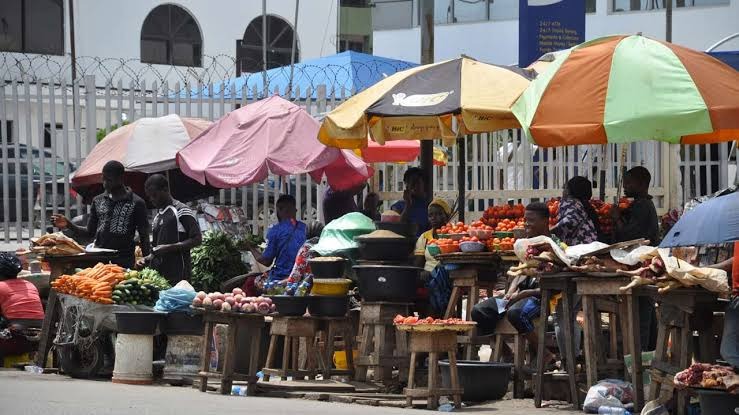
The Lagos Waste Management Authority (LAWMA) has announced a fresh enforcement drive that will see buyers, as well as traders, face arrest and prosecution for patronising goods sold on roadsides, medians, walkways, setbacks and other unauthorised public spaces across Lagos State.
The enforcement is expected to begin next week, according to LAWMA Managing Director and Chief Executive Officer, Dr Muyiwa Gbadegesin, who disclosed this on Tuesday at the authority’s headquarters in Lagos.
The announcement has drawn attention to the legal basis for prosecuting buyers and whether the measure is based on a new law. However, the provision being cited by LAWMA is contained in the Lagos State Environmental Management and Protection Law, 2017, which already provides restrictions on street trading and the purchase of goods sold in prohibited locations.
What the Lagos Environmental Law Says
According to Section 143 of the Lagos State Environmental Management and Protection Law, 2017, street trading is prohibited in places covered by the law. Section 144 also provides for the prohibition of illegal markets.
The law also gives authorities powers to act against goods being sold in prohibited places. Section 148 states that an authorised person may seize goods, wares or articles “exposed or offered for sale” on any street or highway covered by the law.
Section 149 further provides for the forfeiture of goods seized under the relevant provisions. In simple terms, traders operating in prohibited locations can lose the goods they have put out for sale.
However, the law does not prohibit all commercial activity in Lagos. Section 154 preserves sales in legal markets, while the Second Schedule provides exemptions for shopping centres, authorised traditional markets and legally organised fairs and bazaars.
The issue, therefore, is whether the trading activity is taking place in a location where it is prohibited under the state’s environmental law.
Why Buyers Can Also Be Prosecuted
The provision that directly affects buyers is Section 151(2) of the Lagos State Environmental Management and Protection Law, 2017.
The section states that a person who “buys any goods exposed or offered for sale” from a place or street specified under the law commits an offence.
It further provides that, upon conviction, the person is liable to a ₦90,000 fine, six months’ imprisonment, or both.
This means the law does not place responsibility solely on the person selling the goods. A buyer who patronises a trader operating in a prohibited location can also be prosecuted under the provision.
Gbadegesin said LAWMA would begin enforcing the provision against buyers from next week, arguing that continued patronage encourages traders to return to roads, medians, walkways and other public spaces after enforcement operations.
The authority also linked the measure to environmental concerns, saying illegal roadside and median markets generate waste that can end up on roads and in drainage channels, while trading activities can obstruct public infrastructure and worsen traffic and public health risks.
Lagos Has Been Enforcing Against Illegal Trading
The latest announcement comes against the background of previous enforcement efforts by the Lagos State Government against traders operating in unauthorised public spaces.
According to a Vanguard report published on June 24, 2026, the Lagos State Taskforce issued a 72-hour quit notice to street traders and illegal occupants operating along the Alaba Rago corridor of the Mile 2–Badagry Expressway.
It reported that the planned enforcement targeted illegal trading activities on highways, walkways, road medians and setbacks. The Taskforce said the operation was being carried out under the Lagos State Environmental Management and Protection Law and other regulations supporting the state’s ban on street trading.
The report also said the government was responding to complaints about illegal structures, makeshift shops, indiscriminate waste disposal and unregulated trading activities around the Alaba Rago corridor.
The June enforcement notice shows that the latest LAWMA announcement is part of a wider effort by Lagos authorities to restrict commercial activities on roads, medians, walkways and setbacks. The major difference in the latest announcement is that LAWMA is specifically warning that buyers who patronise such traders can also face enforcement.
For Lagos residents, the practical implication is that where they buy goods can now matter as much as what they buy. Residents and businesses are expected to patronise recognised markets and other legally authorised trading locations.
LAWMA has also urged residents to use approved waste disposal channels as it strengthens waste collection around areas previously cleared of illegal trading and dumping.
The key point is that the enforcement is not based on a new constitutional amendment or a new offence created this week. LAWMA is seeking to enforce an existing provision of the Lagos State Environmental Management and Protection Law, 2017, which makes both illegal street trading and the purchase of goods offered for sale in prohibited locations subject to sanctions.
About The Author