Strengthening Safe Reporting: FIAP, FactCheck Africa, Train Media, CSOs on Ethical Election Coverage
By: Peter Emmanuel
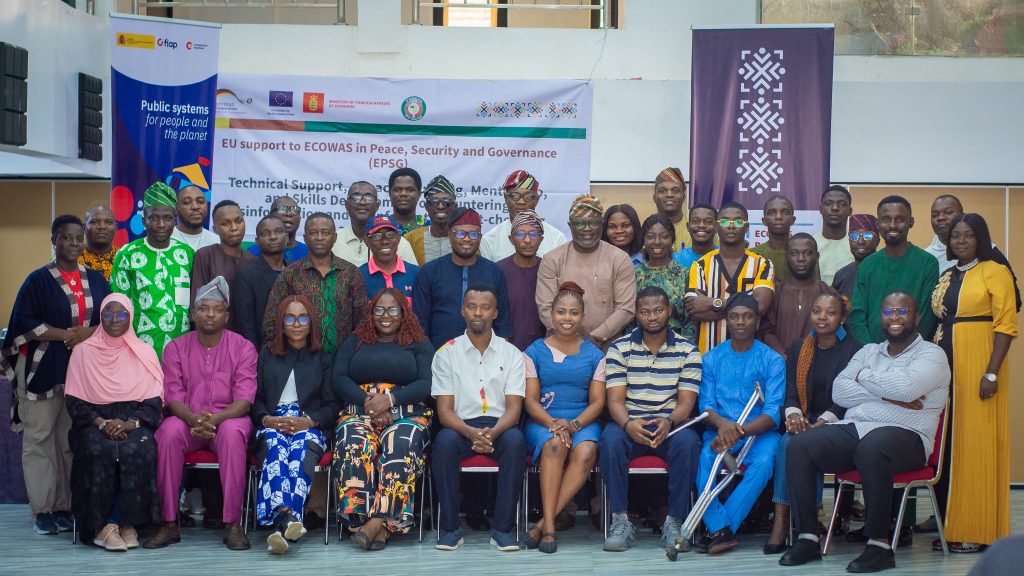
A three-day regional capacity-building workshop organised by the Fundación para la Internacionalización de las Administraciones Públicas (FIAP), in collaboration with FactCheck Africa, has equipped journalists, fact-checkers, researchers, and civil society actors with skills to combat misinformation, disinformation, and emerging digital threats while strengthening safe and ethical reporting practices ahead of Nigeria’s 2027 general elections.
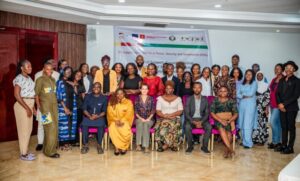
The Lagos Regional Workshop, held under the #EPSGProject, brought together 35 participants from Nigeria’s South-West and South-East geopolitical zones to strengthen the capacity of frontline information actors to promote credible reporting, electoral integrity, and peaceful democratic participation.
The workshop was organised under the framework of the European Union Support to ECOWAS in Peace, Security and Governance (EPSG) Project, with a focus on addressing challenges affecting Nigeria’s information ecosystem ahead of another major electoral cycle.
Participants were trained on verification techniques, responsible use of digital tools, identifying harmful narratives, and developing practical approaches to counter misinformation, disinformation, hate speech, coordinated online manipulation, and artificial intelligence-related threats.
Understanding Nigeria’s Information Landscape
The first day of the workshop focused on examining Nigeria’s information environment and the growing challenges around misinformation ahead of the 2027 elections.
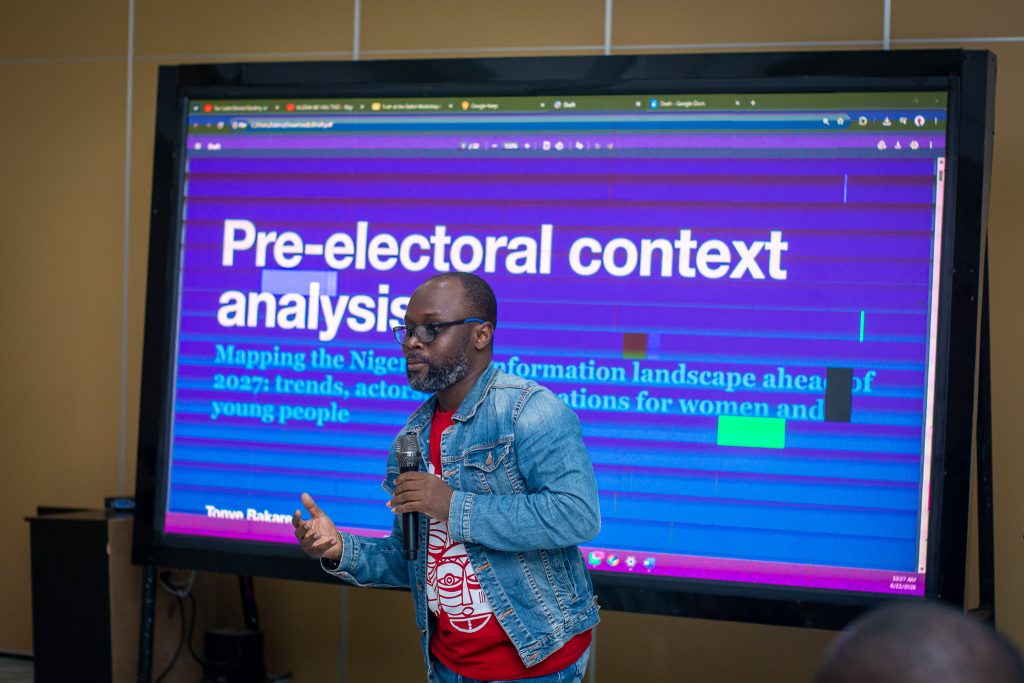
Tonye Bakare, AFP News Agency Nigeria Correspondent, led a session on the pre-electoral information landscape, where participants examined emerging disinformation trends, key actors shaping online narratives, and the impact of information disorder on public conversations.
The session highlighted how misinformation continues to influence democratic processes and disproportionately affects women and young people, who are often targeted during election periods.
The discussion later shifted from identifying challenges to developing practical solutions as Mustapha Lawal, Researcher and Fact-Checker at FactCheck Africa, guided participants through verification and fact-checking workflows.
Participants were introduced to essential verification methods, including reverse image search, source authentication techniques, open-source intelligence (OSINT) methods, and responsible use of AI-assisted verification tools for electoral content.
The day also featured a Verification Lab where participants worked in teams to analyse real-world information scenarios, investigate suspicious claims, authenticate sources, and apply professional fact-checking methodologies.
Hate Speechn and Inclusive Reporting
The second day of the workshop focused on hate speech, narrative analysis, and the importance of ethical and inclusive reporting during elections.
The day began with a recap session where participants reflected on lessons from Day 1, including verification processes, fact-checking approaches, and the application of OSINT tools.
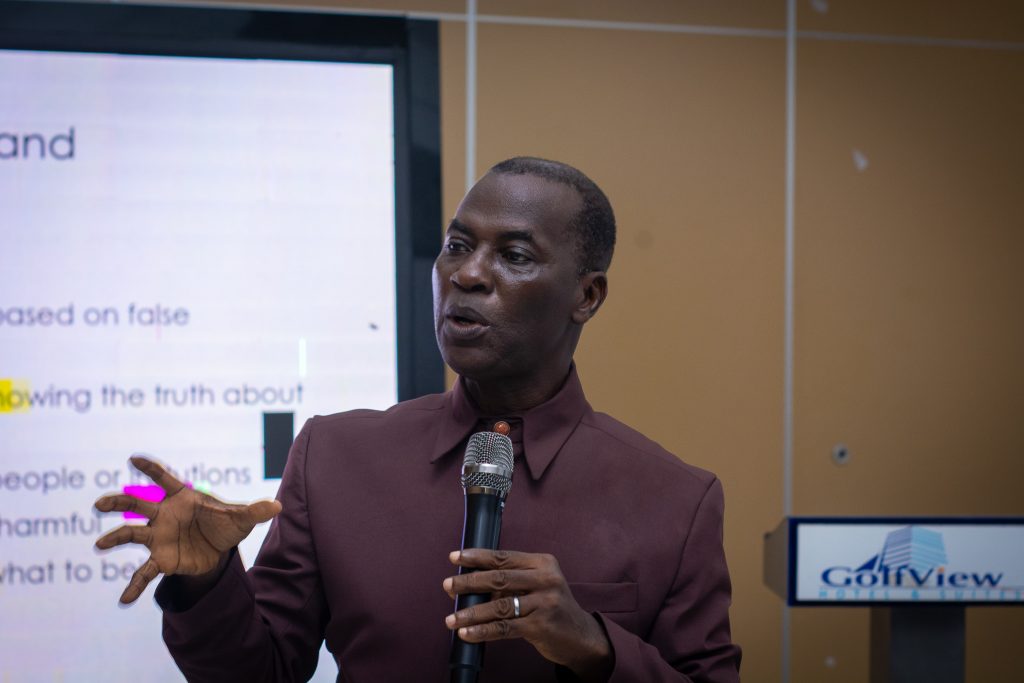
Lekan Otufodunrin, Executive Director of Media Career Development Network, facilitated a session on hate speech and narrative analysis, examining how harmful narratives are created, amplified, and used to influence public opinion.
Participants explored how journalists can identify, de-escalate, and counter polarising electoral content while maintaining accuracy and ethical reporting standards.
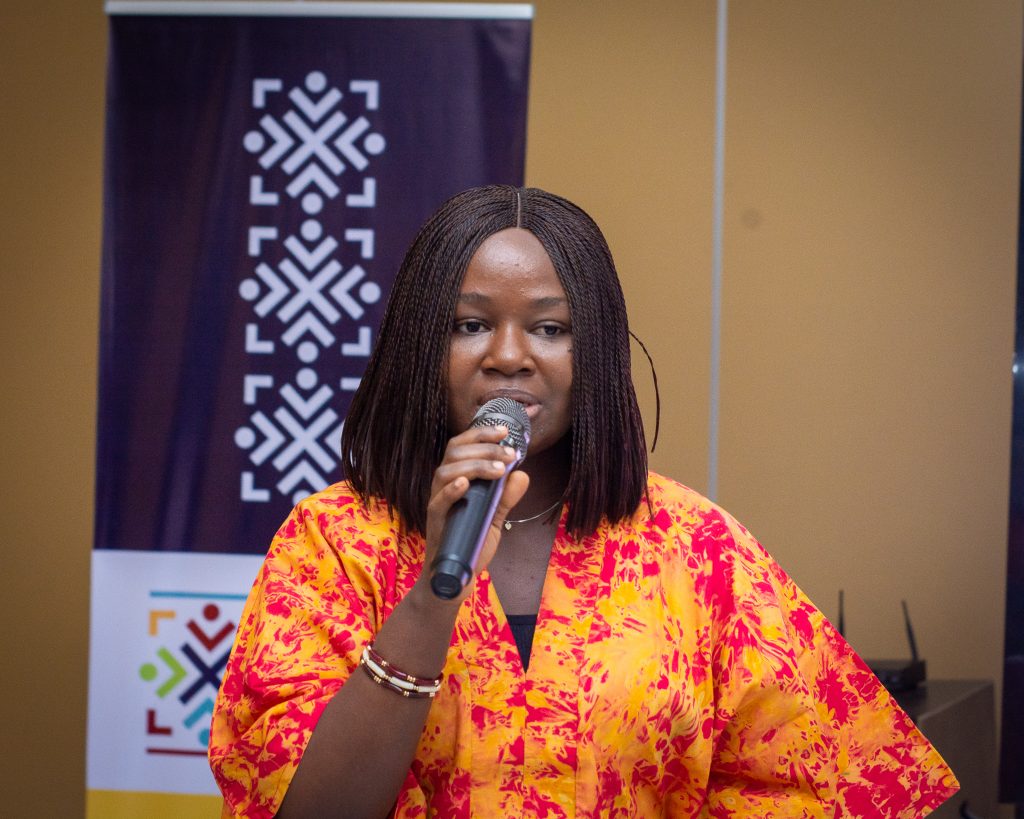
Hannah Ajakaiye, Founder and Editor of Facts Matter Nigeria, led discussions on gender-sensitive and youth-inclusive reporting, encouraging participants to ensure fair representation of women, young people, and marginalised groups in electoral narratives.
She emphasised the importance of moving beyond stereotypes and ensuring election reporting reflects the realities, concerns, and contributions of different groups in society.
Participants later engaged in practical group exercises involving simulated electoral communication scenarios covering misinformation, hate speech, narrative manipulation, and representation challenges.
Strengthening Safe Journalism Ahead of 2027 Elections
The final day of the workshop focused on safe journalism practices, media accountability, and democratic resilience ahead of the 2027 elections.
A session on Safe Journalism During Elections, facilitated by Adejumo Kabir, Senior Researcher and Programme Manager at Good Governance Africa (GGA), examined risks journalists face while covering elections, including digital harassment, coordinated attacks, surveillance, physical threats, and psychological pressure.
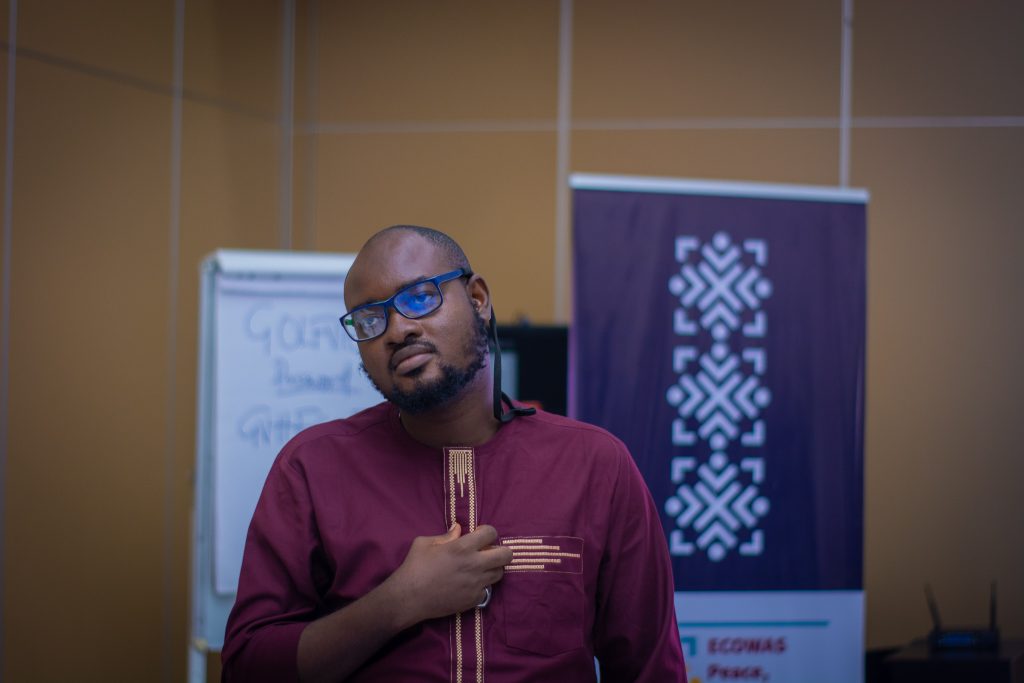
Participants were guided on safety preparedness, digital protection, and strategies for safeguarding themselves and their sources while reporting in sensitive environments.
Kabir also facilitated discussions on Media, Accountability and Democratic Resilience, highlighting the role of collaboration between media organisations and civil society actors in strengthening democratic processes.
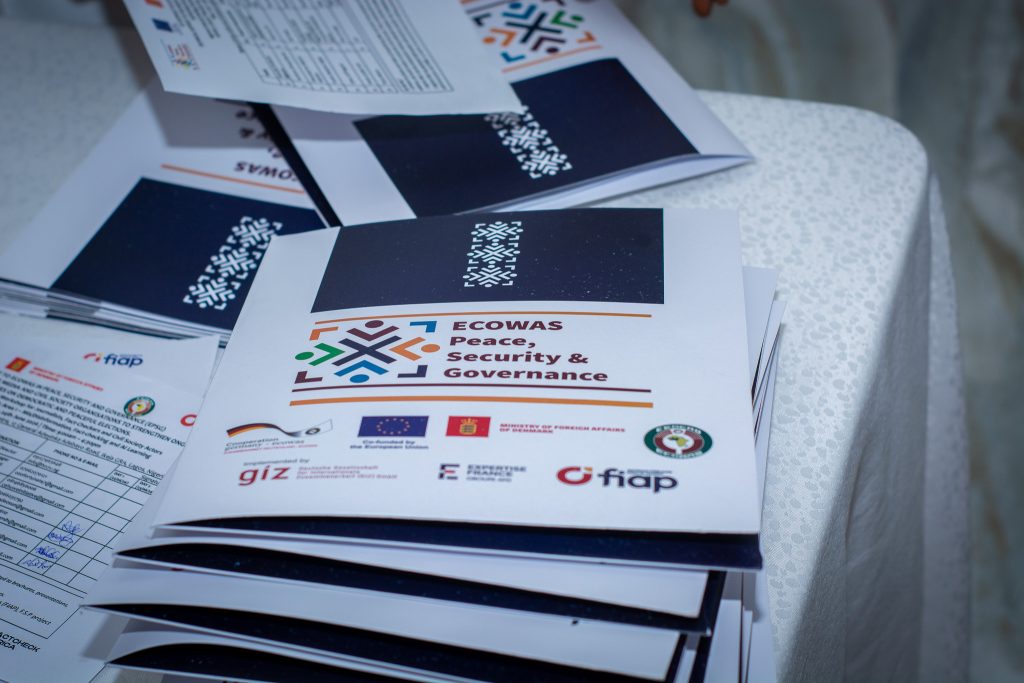
A major highlight of the workshop was the unveiling of the Safe Journalism Toolkit by FactCheck Africa and FIAP, designed to provide journalists with practical guidance on safety protocols, ethical reporting standards, and resilience strategies during electoral periods.
Speaking during the unveiling, Olasupo Abideen, Founder of FactCheck Africa, noted that protecting democratic integrity requires not only accurate information but also safe, supported, and resilient media ecosystems capable of serving the public interest.
Turning Workshop Lessons Into Action
Beyond knowledge-sharing, the workshop concluded with participants developing practical action plans to apply the lessons within their newsrooms and organisations.
The Action Planning Clinic, facilitated by Joseph Osigwe Chidiebere, Technical Advisor on Mass Media and Civil Society under the EU Support to ECOWAS in Peace, Security and Governance (EPSG) Project, allowed participants to develop measurable commitments towards improving information integrity and democratic reporting.
The workshop ended with the adoption of a Participants’ Communiqué outlining shared commitments towards electoral peace, ethical journalism, democratic accountability, and stronger collaboration between media and civil society actors.
Organisers said the initiative is part of broader efforts to strengthen the capacity of information actors to promote credible information and support peaceful electoral processes in Nigeria.
As Nigeria approaches the 2027 elections, participants noted that continuous collaboration, verification, and responsible communication will remain critical in protecting the country’s information space.
#TruthAtTheBallot #InformationIntegrity #ElectoralIntegrity #EPSGProject
About The Author