FIAP, FactCheckAfrica Train Young Advocates in Rivers to Promote Women’s Political Participation, Tackle Disinformation Ahead of 2027 Elections
Participant
By: Peter Emmanuel |
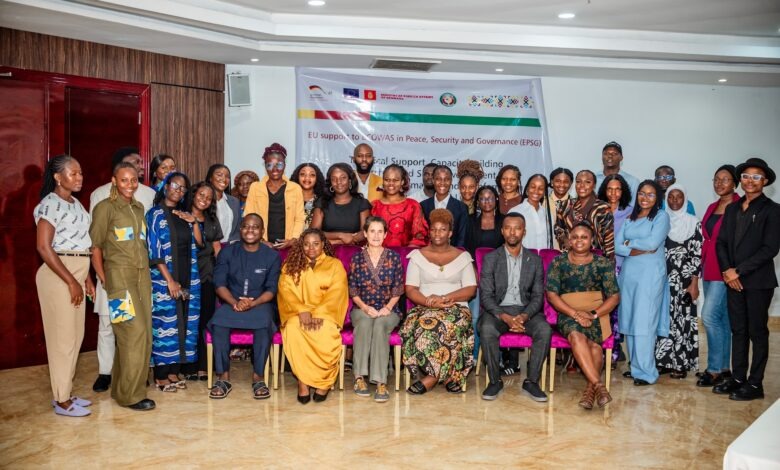
The Fundación para la Internacionalización de las Administraciones Públicas (FIAP), through its implementing partner FactCheckAfrica, has trained young advocates and digital communicators in Rivers State on how to promote women’s political participation, counter gendered disinformation and address online harassment ahead of Nigeria’s 2027 general elections.
The three-day regional training, held from August 11 to 13, 2026, brought together young advocates from across the Southern geopolitical zones to explore how social media can be used to challenge harmful narratives, amplify women’s voices and create safer spaces for political and civic participation.
The training was organised under the EU Support to ECOWAS in Peace, Security and Governance (EPSG) Project, with a focus on mis/disinformation, fact-checking, artificial intelligence learning and youth-led social media advocacy.
The Rivers State training is the first of two regional cycles designed to engage 70 young advocates. The second cycle is scheduled to hold in Abuja from August 18 to 20, bringing together participants from the Northern and Central zones.
The initiative comes amid persistent gaps in women’s political representation in Nigeria and growing concerns over gendered disinformation, hate speech, online harassment and other digital threats that can discourage women from participating in political and civic spaces.
Training Targets Barriers to Women’s Political Participation
Participants examined Nigeria’s gender and political landscape, focusing on the barriers that continue to limit women’s participation in political processes and public decision-making.
The sessions explored the connection between gender, age and political participation, while encouraging participants to examine how digital platforms can be used to challenge narratives that discourage women from seeking or holding political positions.
Participants were introduced to practical advocacy frameworks to help them identify participation gaps, set campaign goals and develop messages capable of influencing public conversations.
The programme also examined the growing role of young Nigerians in shaping online conversations, particularly through content creation and social media engagement.
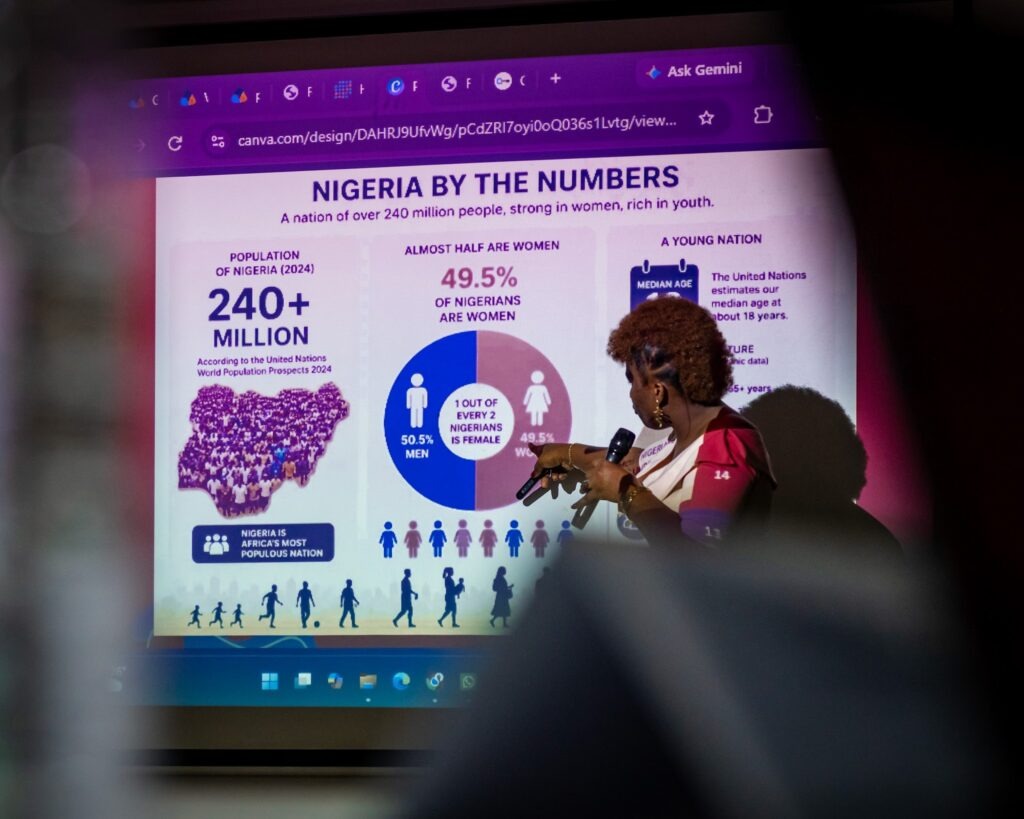
Participants were encouraged to use their digital influence to amplify women’s voices, challenge exclusionary narratives and promote greater participation in political and civic activities ahead of the 2027 elections.
Countering Gendered Disinformation, Online Harassment
A major focus of the training was the use of gendered disinformation, hate speech and online harassment as tools that can discourage women from participating in political and civic life.
Participants examined how harmful narratives and coordinated online attacks can target women because of their gender, damage their public image and create hostile digital environments around their political participation.
The training introduced practical approaches for responding to online harassment and developing campaigns that anticipate possible backlash while protecting campaigners and their audiences.
Participants also learned about operational security, digital protection, responses to doxxing and harassment, as well as legal options available when dealing with online threats.
They completed a safety pre-flight checklist to help them identify potential risks before launching digital campaigns and incorporate safety measures into their advocacy work.
Building Youth-Led Digital Advocacy Campaigns
Participants received practical training on developing social media campaigns, including setting campaign goals, identifying target audiences, creating message pillars and developing content strategies.
They practised adapting advocacy messages for platforms including Instagram, X, TikTok, Facebook and LinkedIn, with emphasis on creating content suited to the different formats and audiences of each platform.
On the second day, participants co-created message pillars and developed campaign content using the “Half the Room” animated explainer on women’s political participation as an example of how a central campaign message can be turned into different content assets.
Participants also developed four-week content plans using the Feminist Content Calendar Template and received resources including the Safe Campaigning Against Online Harassment Guide and the Youth and Democracy in Nigeria Guide.
The campaign component concluded with a Campaign Launch Clinic and Peer Showcase, where participants refined no-cost campaign plans designed for deployment within 14 days.
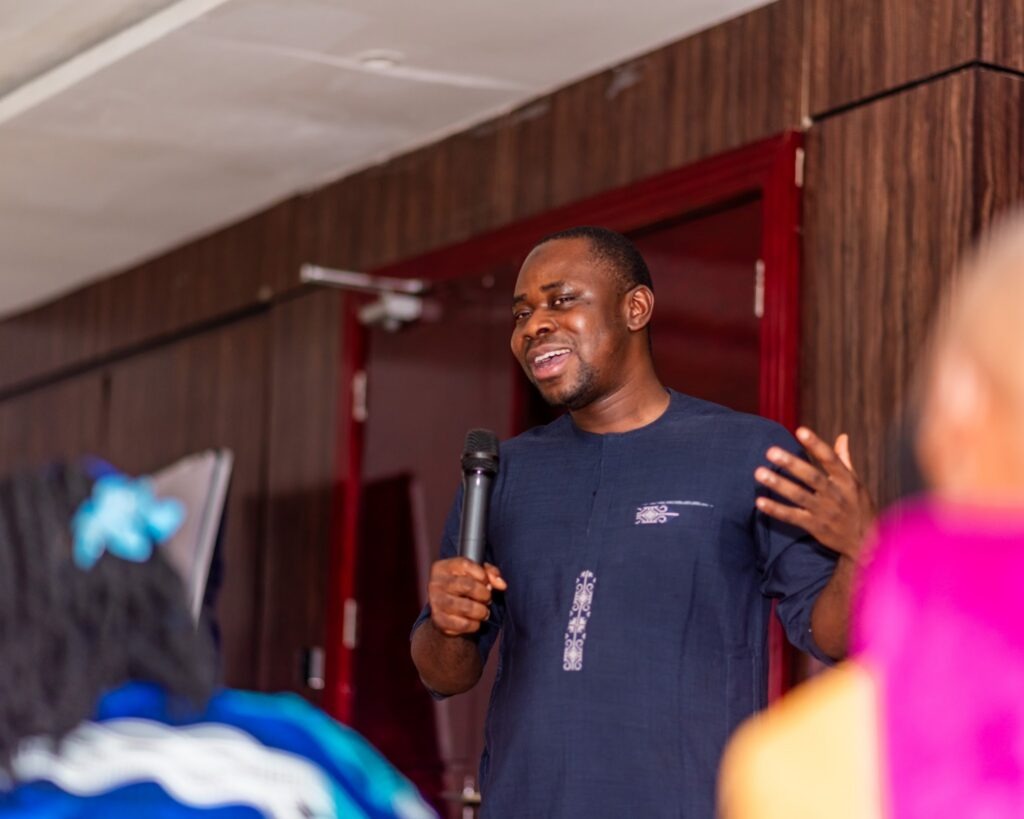
FIAP, FactCheckAfrica Strengthen Coalitions Ahead of 2027 Elections
The final day of the training focused on digital safety, coalition-building and the deployment of participants’ campaigns.
Through structured coalition exercises, participants formed peer accountability partnerships and developed cross-regional plans for continued knowledge sharing and collective advocacy.
The partnerships are expected to support participants as they deploy their campaigns within their respective digital communities and continue applying the tools and strategies acquired during the training.
The programme also provides for post-training campaign tracking through participant self-reporting and monitoring of campaign hashtags to assess the implementation and reach of the campaigns.
The second regional cycle will take place in Abuja from August 18 to 20, completing the engagement of 70 young advocates from across the country.
Through the initiative, FIAP and FactCheckAfrica seek to strengthen the ability of young Nigerians to use digital platforms to promote inclusive civic participation, challenge harmful information and support safer spaces for women in Nigeria’s democratic processes.
The initiative is organised under the EU Support to ECOWAS in Peace, Security and Governance Project, which supports efforts to strengthen democratic governance, peace, security and regional stability across ECOWAS member states.
About The Author